
Japanese short films and art animation
AnimeFLV: a century of Japanese short animation, from The Dull Sword to the Ghibli Museum, and where to watch it
199 short films and art features from Japan: the pioneers of 1917, the silhouettes and folk tales of the 1920s and 1930s, Ghibli Museum shorts, festival winners, Pikachu shorts and new independent work. Search a title and press Watch now.
Latest additions
All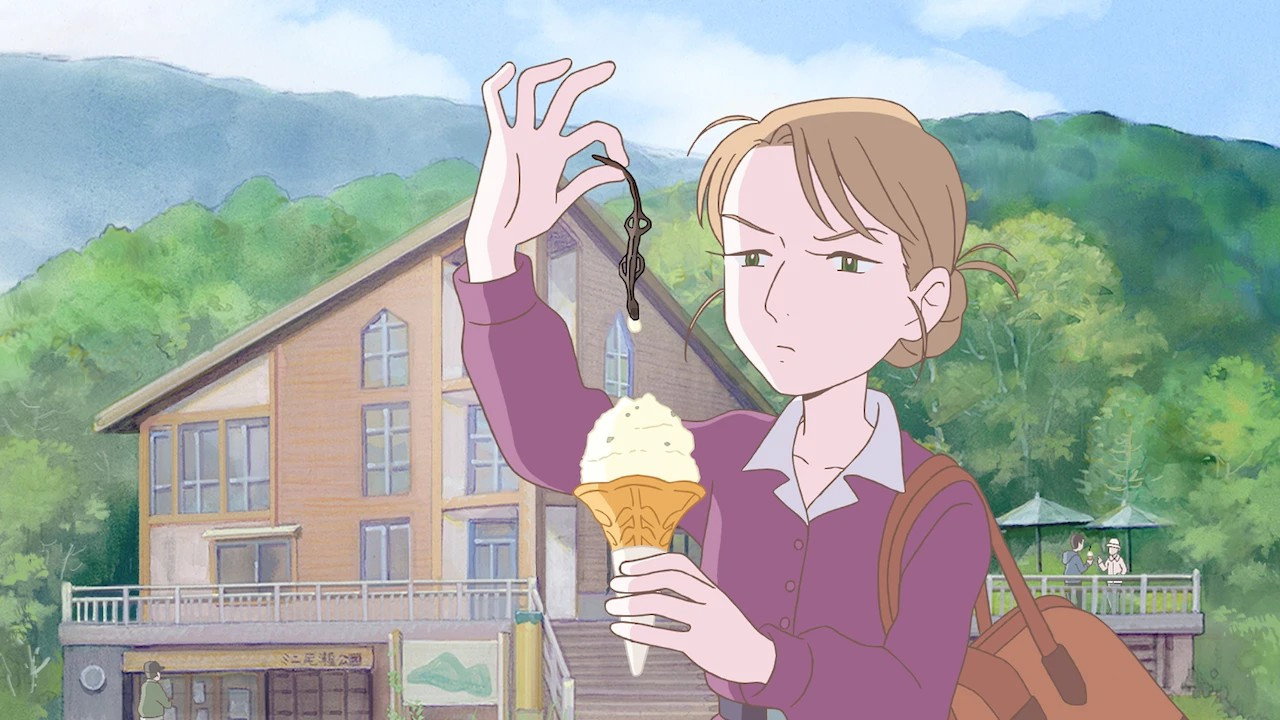 Short · 2026FukuFuku Map
 Short · 2025Tamagawa-kun Wants to be a Cat
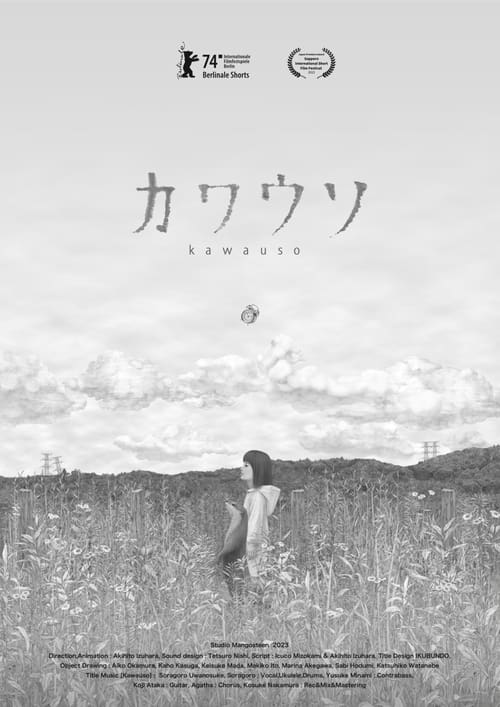 Short · 2023Kawauso
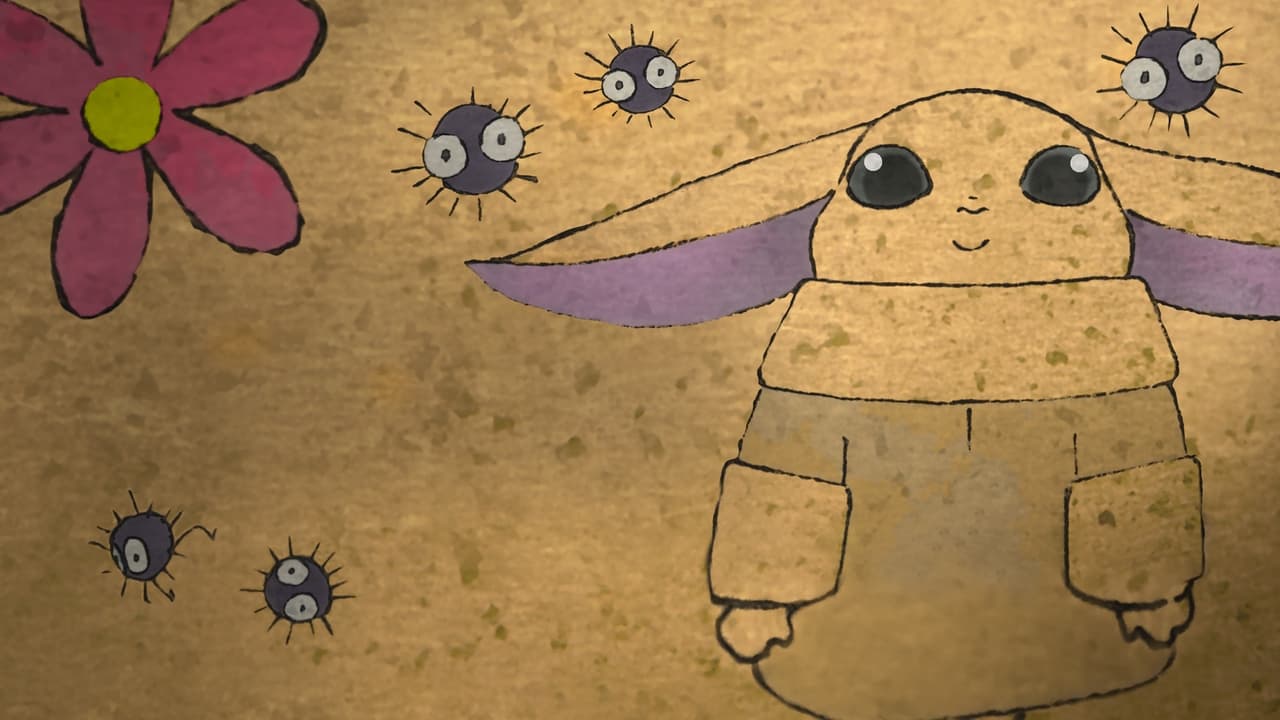 Short · 2022Zen - Grogu and Dust Bunnies
 Short · 2022Garden of Remembrance
 Short · 2022In the Big Yard Inside the Teeny-Weeny Pocket
 Short · 2021Pukkulapottas and Hours in the Forest
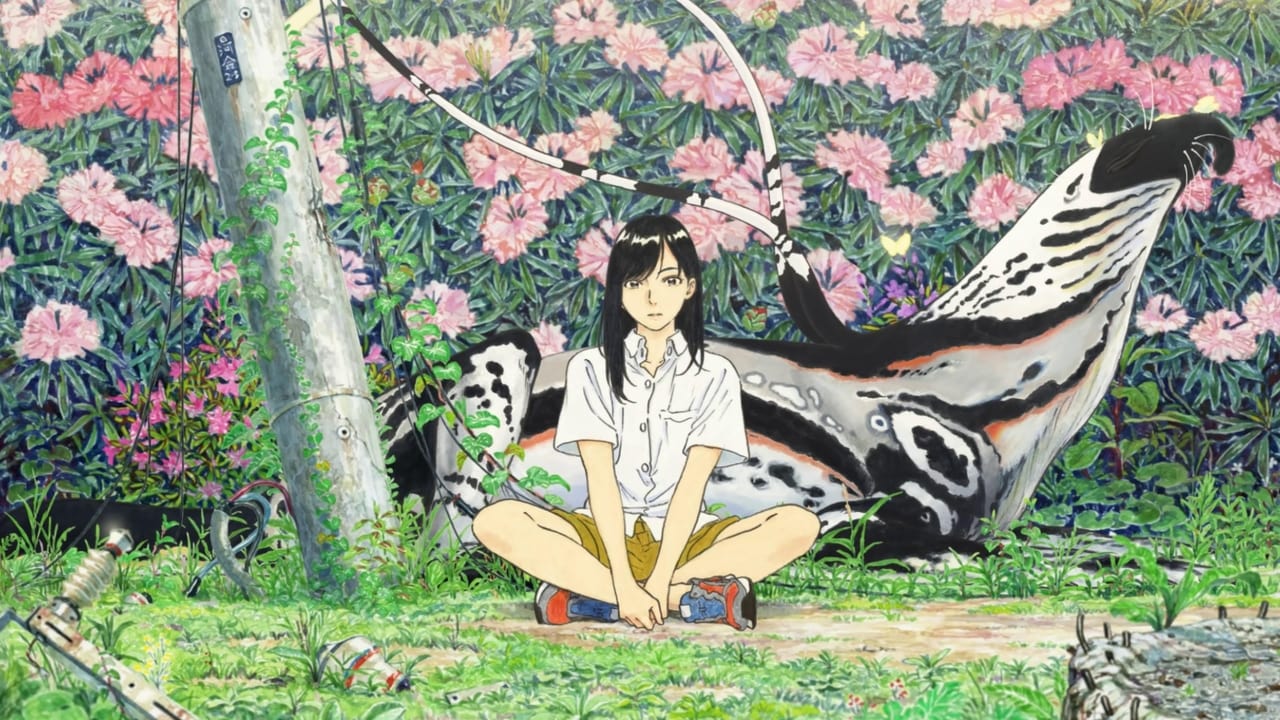 Short · 2021Puparia
 Short · 2021Tomorrow's Leaves
 Short · 2020Sol Levante
 Short · 2020Baja's Studio: Baja and the Sea
 Short · 2019Gon, the Little Fox
Ghibli shorts
All
Art films
All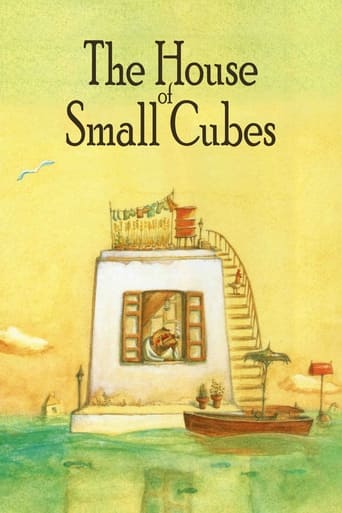


Folk tales and fables
All

The pioneers
All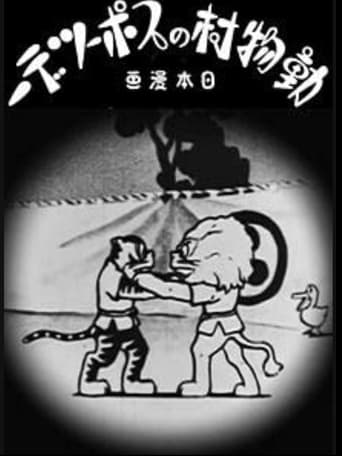


Pikachu shorts
All


Guides
- How to watch with AnimeFLVFrom a short film's page to the official service.
- The pioneers of Japanese animationFrom 1917 to 1945.
- Studio Ghibli's short filmsThe Ghibli Museum and beyond.
- Japanese art animationAuteurs, festivals and experiments.
- Folk tales and fablesMomotaro, Urashima Taro and friends.
- Languages and subtitlesSilent films, music and Japanese voices.
- The official AnimeFLV siteHow to recognise the real address.
- Is AnimeFLV working?A quick check and simple fixes.
- Where AnimeFLV films streamThe official services behind Watch now.
- Apps and devicesPhones, tablets, computers and televisions.
- Free Japanese animationLegal ways to watch at zero cost.
- Streaming safelyA short checklist.
- Finding a filmSearch tips.
- My ListKeeping films for later.
- The Pikachu shortsPokémon short films for the whole family.
AnimeFLV: a century of Japanese short animation, from The Dull Sword and The Spider and the Tulip to the Ghibli Museum shorts, La Maison en Petits Cubes and the festival films of today
Long before anime became a worldwide passion, Japanese artists were making short films by hand, one drawing at a time. In 1917, a handful of cartoonists in Tokyo released the first Japanese animated films; in the decades that followed, masters such as Noburō Ōfuji and Kenzō Masaoka built a national craft from paper cut-outs and pencil drawings; and since the 1960s, independent artists have turned the short film into one of the most inventive forms of Japanese cinema. AnimeFLV is a guide to this world of short animation and art films, written in English for viewers everywhere.
Here you will find 199 films. There are the pioneers of 1917 to 1945, such as The Dull Sword, The Lump and The Spider and the Tulip; postwar classics from Toei and the puppet master Kihachirō Kawamoto; the short films Hayao Miyazaki made for the Ghibli Museum; Kunio Katō's Oscar-winning La Maison en Petits Cubes and Kōji Yamamura's Mount Head; the collaborative poem film Winter Days; the Pikachu shorts that opened the Pokémon movies; and new work by young directors from art schools and independent studios.
Every film has its own page with the story, the year, the running time, the director and the studio, and a Watch now button that opens it on JustWatch for the country you choose. This guide first explains how AnimeFLV is laid out and then travels through a hundred years of Japanese short animation, introducing the artists, the studios and the films that reward a few minutes of your time.
Why short animation
Short films are where animation began, and where it is most free. A short can be made by one artist at a kitchen table or by a great studio in a quiet week; it can tell a folk tale in five minutes, paint a poem in two, or try out a technique too daring for a feature film. Many of Japan's most famous animators, from Hayao Miyazaki to Makoto Shinkai, have returned to the short form again and again, and many of its most original artists have worked only in shorts.
Short films also fit into a busy life. You can watch a Ghibli Museum short over breakfast, a silent film of 1929 on the train, or a programme of festival winners in a single evening. AnimeFLV makes it easy: every film page shows its running time, and the Under ten minutes shelf gathers more than ninety films that fit inside a coffee break.
How AnimeFLV looks
AnimeFLV keeps the look of the original AnimeFLV site. A dark slate bar carries the white and cyan logo, uppercase links that brighten when you point at them, a rounded search field and a My List button. Below it, a light page opens with a title band over a thin cyan rule. A sidebar on the left lists popular shorts and longer films, each with a small rounded pill: cyan for TV, orange for shorts and red for films.
The main column follows the same pattern as the original. Section titles are written in a light, slim font with a small cyan speech bubble on the right that opens the full shelf. The Latest additions appear as rounded pictures with an orange pill and a white title over a dark shadow, and the shelves show posters on white cards with a coloured tab along the bottom edge. Films from 2024 on carry a green New ribbon across the corner, just as the original marked its premieres.
Using the site
The home page opens with a short introduction, then the Latest additions grid with the newest films, then shelves for Ghibli shorts, art films, folk tales, the pioneers and the Pikachu shorts. The sidebar is always at hand with popular shorts and longer films. Further down, the Guides section opens fifteen help pages, and this long guide closes the page.
The search field accepts English titles and Japanese titles written in Latin letters. Type Momotaro, Ghiblies or Yamamura and the matching posters appear at once. The Directory link opens the whole collection with sorting by popularity, rating or year, and the Browse page lists every film from A to Z. When you find a film you like, press Add to My List; the list stays in your browser and can be exported to another device. When you are ready to watch, choose your country and press Watch now to see the official services that carry the film.
1917: the first Japanese animation
The year 1917 is the birthday of Japanese animation. Inspired by the American and French cartoons shown in Tokyo cinemas, three artists set out to make their own: the political cartoonist Ōten Shimokawa, the painter Seitarō Kitayama and the cartoonist Jun'ichi Kōuchi. Kōuchi's The Dull Sword, a four-minute comedy about a samurai who buys a blunt sword and tries it out on passers-by, was thought lost for decades until a print was found in an Osaka antique market in 2008. Today it is one of the oldest Japanese animated films that survive, and it still makes audiences laugh.
Seitarō Kitayama made The Battle of the Monkey and the Crab, based on the folk tale of a crafty monkey punished by a crab and its friends, and in 1918 he made a version of Momotaro, the peach boy who defeats the ogres of Demon Island. Kitayama founded the first animation studio in Japan and trained the next generation of animators, among them Sanae Yamamoto.
Sanae Yamamoto and the educational film
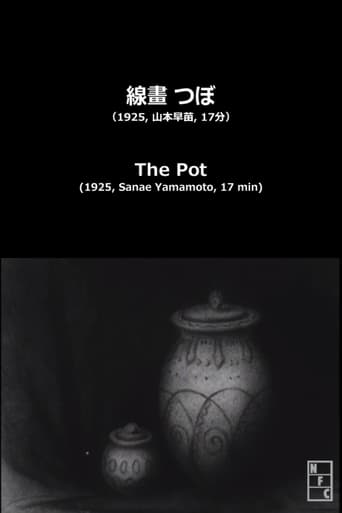
In the 1920s, animation found a home in schools and public education. Sanae Yamamoto made The Hare and the Tortoise, a lively version of Aesop's fable, in 1924, and Ubasuteyama in 1925, the moving legend of a farmer who hides his elderly mother from a lord who has banished the old, until her wisdom saves the village. His The Pot follows a fisherboy who discovers a magic pot, and in 1928 he told the peach boy's story once more, with Momotaro as the pride of the nation. Yamamoto later became one of the founders of the studio that grew into Toei Animation.
Yasuji Murata and the animal comedies
Yasuji Murata was the great comic storyteller of the silent years. Working with paper cut-outs moved by hand under the camera, he filled his films with lively animals and gentle satire. The Octopus' Bone retells the Urashima Taro legend with an octopus in a leading role, The Animal Olympics and Taiiku day stage sports days for animals, The Blossom Man tells of a kind old man whose ashes make dead trees bloom, and The Lump follows an old man with a lump on his cheek who dances with the mountain goblins called tengu.
Murata's comedies are full of modern life too. Taro's Toy Train packs a train with hippo ladies and mischievous passengers, My Ski Trip sends rabbits and raccoon dogs down the slopes, The Donkey follows a father and son who take everyone's advice on how to bring their donkey to market, and Two Worlds retells the fable of the ant and the grasshopper with a hard-working family of ants. A Wolf is a Wolf, The Monkey Sword Masamune, Tonpei and Sarukichi and Animated Revue: Spring complete a shelf of witty, beautifully timed films.
Noburō Ōfuji and the art of paper
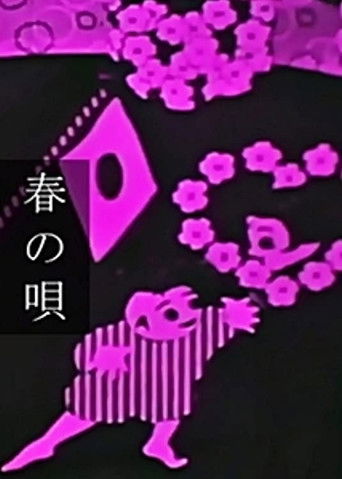
Noburō Ōfuji found his own path. Instead of drawing on paper, he cut his figures from chiyogami, the decorated paper used for dolls and gift wrapping, and later from translucent cellophane, creating films that glow like stained glass. His The Story of the Monkey King, from 1926, adapts Journey to the West, A Ship of Oranges tells of a merchant who made his fortune shipping oranges to Edo, and the musical shorts The Black Cat, The Village Festival and Spring Song are among the first Japanese films set to recorded songs.
Ōfuji worked for more than four decades. At the Border Checkpoint and Will Power are playful comedies of the 1930s, General of the Swamp follows a greedy whale, Princess Katsura was an early experiment in colour, and the postwar films Dream of a Snowy Night, The Bear Dodger and The Flower and the Butterfly show his art at its most delicate. His silhouette masterpiece The Phantom Ship, from 1956, a wordless tale of a ghost ship set to a choir, won international praise at Venice. Japan's most respected animation award, the Ōfuji Noburō Award of the Mainichi Film Awards, is named in his honour.
Kenzō Masaoka and the golden age
Kenzō Masaoka is often called the father of Japanese animation. He made the first Japanese animated film with recorded dialogue in the early 1930s, introduced the transparent cel to Japanese studios and trained many of the artists who built the postwar industry. His Monkey and Crabs, from 1939, retells the folk tale of a villainous monkey punished by chestnuts, bees and a rice mortar, with a lively soundtrack.
Masaoka's masterpiece is The Spider and the Tulip, from 1943. In a garden, a smooth-talking spider sings to a little ladybug and tries to lure her into his web; she hides inside a tulip, and when a storm sweeps through the garden, the spider is carried away while the ladybug sleeps safely among the petals. Its soft pencil drawings, graceful movement and jazzy music make it one of the most beautiful Japanese films of its time. After the war, Masaoka made the gentle family comedies Torachan and the Bride and Tora-chan's Clang Clang Bug, about a kitten and his friends.
Other artists of the 1930s and 1940s tried new paths. The young Kon Ichikawa, later one of Japan's most famous live-action directors, wrote and directed Shinsetsu Kachikachi Yama, a cartoon inspired by Disney. Shigeji Ogino made the abstract films Rhythm and An Expression, playing with geometric shapes of light and shadow, and the documentary The Making of a Color Animation about Ōfuji's colour work. Mitsuyo Seo's Arichan the Ant follows an ant who finds a violin and returns it to its owner, and Danemon Ban: The Monster Exterminator and Taro's Monster Hunt are cheerful ghost comedies. Kiyoji Nishikura's A Day in the Life of Chameko, set to a hit song of 1929, gives a glimpse of a little girl's day in prewar Tokyo.
Toei and the postwar studios
After the war, Japanese animation was rebuilt by small teams and, from 1956, by the new Toei Animation studio. Taiji Yabushita, who would direct Toei's first colour feature, made Kappa Kawatarou, about a village of water sprites whose river is ruined by a storm, and with Yasuji Mori The Black Woodcutter and the White Woodcutter, a fable of a kind woodcutter and a selfish one. The Scribbling Kitten, from 1957, Toei's first short, follows a kitten who draws on a bear's walls while two mice try to spoil his pictures. Gulliver's Great Activities retells Swift's story in nine minutes.
The 1960s brought a wave of independent artists who made animation as a personal art. Yōji Kuri, Ryōhei Yanagihara and Hiroshi Manabe formed an animation group of three in 1960 and held screenings of their experimental films in Tokyo; Kuri's sharp satires won prizes across Europe, and his Manga is a later example of his style. Seiichi Hayashi made Shadow, the pop artist Keiichi Tanaami made Commercial War and Sweet Friday, Toshio Matsumoto made the psychedelic Expansion and Enigma: Nazo, and Taku Furukawa's Man and a High Speed Society races through the history of humanity in six minutes.
Kihachirō Kawamoto and the puppet film
Kihachirō Kawamoto studied with the great Czech puppet animator Jiří Trnka and returned to Japan to create a world of puppet films inspired by Noh theatre, Buddhist legends and classic literature. The Breaking of Branches Is Forbidden, from 1968, is a comic tale of a young monk who is told to guard a cherry tree from blossom thieves and soon gives in to the sake that visitors bring. Briar-Rose or the Sleeping Beauty, from 1990, is a romantic fairy tale of a princess who discovers her mother's secret love.
Kawamoto's friend Tadanari Okamoto made the delicate The Restaurant of Many Orders, adapted from Kenji Miyazawa's story of two hunters who find a very strange restaurant in the woods; when Okamoto died in 1990, Kawamoto completed the film. Kawamoto also led Winter Days, the collaborative film described later in this guide.
Osamu Tezuka and the Yanase shorts
Osamu Tezuka, the creator of Astro Boy and Kimba the White Lion, loved experimental short films as much as television series, and he was a leading supporter of the Hiroshima International Animation Festival, founded in 1985. His Push, from 1987, imagines a world where vending machines supply everything a person could want, and his Self Portrait, made in a single minute for an international project, shows the artist as he saw himself. Takashi Yanase, the creator of Anpanman, wrote and directed The Rose and Joe, a touching love story of a humble dog and a red rose. The Anpanman films Go! Anpanman: Rescue! Kokorin and the Star of Miracles and Anpanman: Revive Banana Island! bring his famous bread-headed hero to the youngest viewers.
Kōji Yamamura
Kōji Yamamura is one of the most admired animators in the world. Since the 1980s he has made short films by hand, drawing every frame with pencils and coloured pencils. His early films, such as Heavenly Bodies' Score and The Elevator, show his love of metamorphosis, the endless transformation of one shape into another. In 2002 he made Mount Head, based on a classic rakugo comic story about a stingy man who swallows cherry pits until a cherry tree grows from his head, crowds come to picnic under it, and he finally jumps into the pond that has formed on his scalp. The film won the Grand Prix at Annecy and was nominated for the Oscar.
Yamamura's later films are just as rich. Franz Kafka's a Country Doctor, set to a performance by kyōgen actors, follows a doctor on a strange night journey and won the Grand Prize at the Ottawa festival. The Old Crocodile tells of an ancient crocodile in Egypt shunned by his family, A Child's Metaphysics and Man & Whale are playful miniatures, Muybridge's Strings, made with the National Film Board of Canada, links the photographer Eadweard Muybridge to a mother and her daughter in Japan, and Satie's "Parade" dances to the music of Erik Satie. The Art animation guide follows him and his contemporaries.
Kunio Katō and La Maison en Petits Cubes
Kunio Katō trained at Tama Art University and joined the studio Robot, where he made The Apple Incident, about giant apples that grow from people's heads, and Fantasy, a series of tiny stories. In 2008 he made La Maison en Petits Cubes, the story of an old man who lives in a town flooded by rising water. Each time the water rises, he builds a new storey on top of his house; one day he drops his pipe through the floor and dives down through the old storeys below, finding at each level the memories of his life with his wife, his children and his youth. Drawn in soft pencil and gentle colours, the twelve-minute film won the Cristal at Annecy and the Oscar for best animated short, the first for a Japanese film.
Atsushi Wada and Mirai Mizue
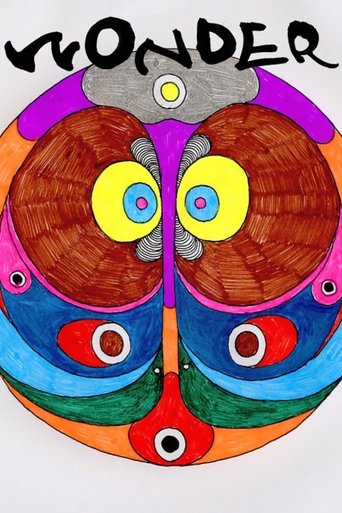
Atsushi Wada makes calm, mysterious films full of quiet humour. In In a Pig's Eye, a huge pig lies beside a family's house while they go about their lives, and The Great Rabbit, about the strange worship of a great white rabbit, won the Silver Bear for short film at Berlin in 2012. The Mechanism of Spring celebrates the excitement of the new season. Mirai Mizue builds abstract films from thousands of hand-drawn cells and patterns; his WONDER was made by drawing one new image every day for a year, a total of 8,760 pictures.
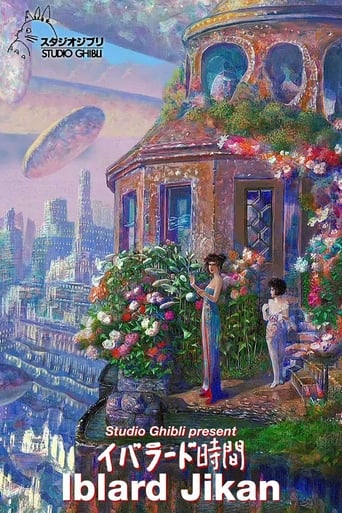
Other independent artists on the shelf include Yoshinao Satoh, whose PAPERS and The Books are built from newspapers and paperbacks, the painter Naohisa Inoue, whose dreamy world of Iblard comes to life in Iblard Time, the illustrator Yoshitaka Amano, known for his Final Fantasy art, whose Fantascope 'Tylostoma' and Bird Song are like moving paintings, and Mizuki Kiyama, whose Bath House of Whales uses paint on glass to recall a childhood visit to the public bath.
The Ghibli Museum shorts
The Ghibli Museum in Mitaka, on the western edge of Tokyo, opened in 2001 with a small cinema called the Saturn Theatre. Hayao Miyazaki and the artists of Studio Ghibli have made a series of short films for it, shown in rotation to museum visitors and rarely seen anywhere else. They are some of the most charming films Ghibli has ever made, and AnimeFLV lists them all with their stories.
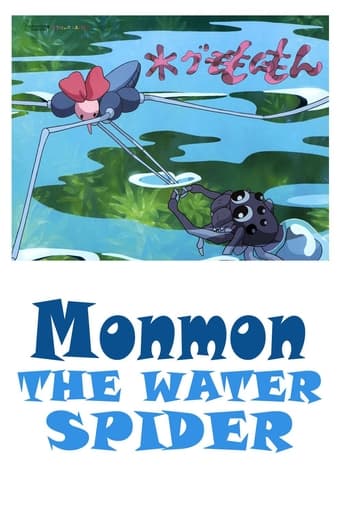
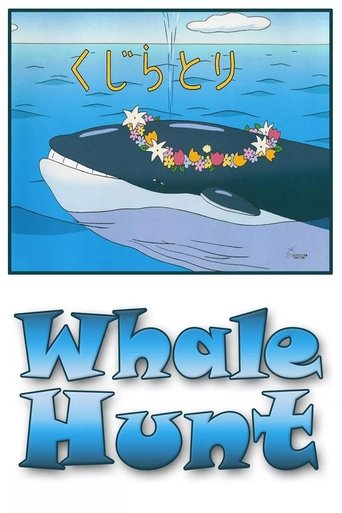
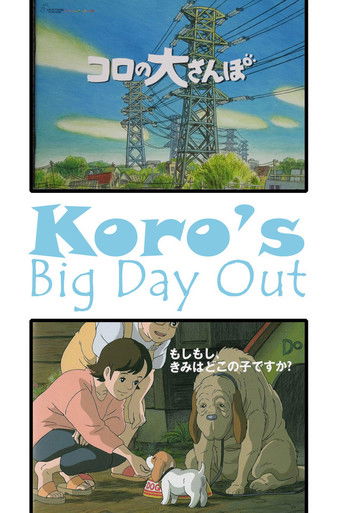
The Whale Hunt, from 2001, follows a group of children who build a pretend boat from building blocks and sail off to meet a gentle giant whale. Koro's Big Day Out, from 2002, follows a puppy who wanders away from his young owner and has a day of adventures around town before coming home. Imaginary Flying Machines is a tour of fantastic aircraft narrated by Miyazaki himself, in the guise of the pig pilot from Porco Rosso. Mon Mon the Water Spider, from 2006, is a love story between a diving bell spider and a water strider in a pond, and House Hunting follows a girl who walks through the countryside carrying her house on her back, meeting the guardian spirits of nature along the way.
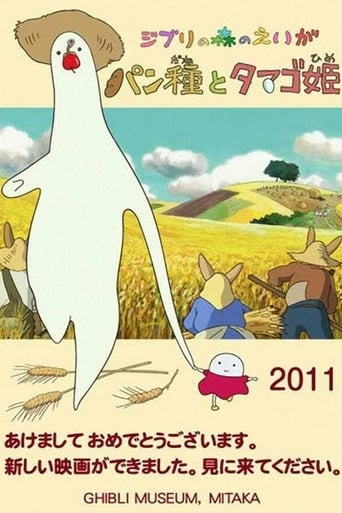
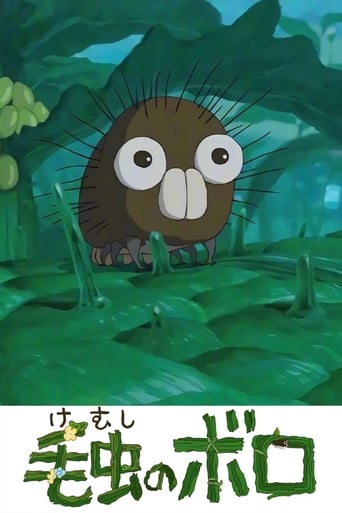
Mr. Dough and the Egg Princess, from 2010, follows a tiny egg girl who escapes from the witch Baba Yaga with the help of a blob of dough that comes to life. Akihiko Yamashita's A Sumo Wrestler's Tail tells of an old farmer who feeds a team of mice so that they can win their sumo bouts, and Treasure Hunting adapts a picture book about a boy and a rabbit. In 2018, Miyazaki made Boro the Caterpillar, the story of a newborn caterpillar discovering the world, his first film made with computer animation. The tiny films The Fish of the Fish and A Splendid Dance are playful experiments in movement.
More from Ghibli and friends
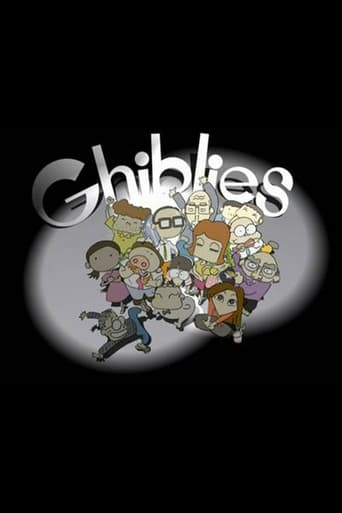
Ghibli has also made playful films for its own staff and fans. Yoshiyuki Momose's Ghiblies and Ghiblies: Episode 2 are comic sketches about the everyday life of a fictional animation studio, with its deadlines, lunches and office jokes; the second was shown in cinemas with The Cat Returns. Momose also made the musical shorts Portable Airport and Tomorrow's Leaves. Kazuo Oga, the background artist behind My Neighbor Totoro, directed The Night of Taneyamagahara, based on a story by Kenji Miyazawa, in which four farmers spend a dreamy night around a campfire; its images are made from Oga's own paintings. Zen - Grogu and Dust Bunnies, a hand-drawn short made by Ghibli with Lucasfilm in 2022, brings a little green Star Wars hero face to face with the soot sprites of Totoro.
The Ghibli shorts guide and the Ghibli shorts shelf gather all eighteen films. Many of them are hard to see outside the museum, and the Watch now button shows where they can be watched in your country.
Winter Days and the anthologies
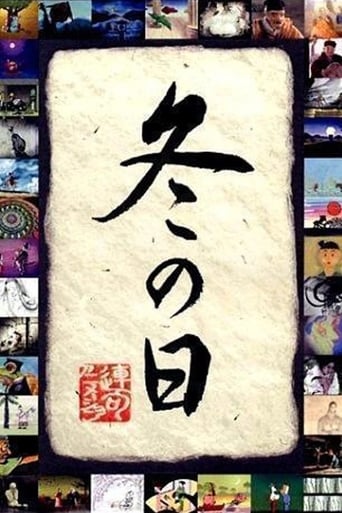
Winter Days, from 2003, is one of the most unusual films ever made. It is based on a renku, a linked poem written in 1684 by the haiku master Matsuo Bashō and his friends, in which each verse responds to the one before. Kihachirō Kawamoto invited thirty-five animators from around the world, including Isao Takahata, Yuri Norstein, Raoul Servais, Co Hoedeman, Aleksandr Petrov and Kōji Yamamura, to animate one verse each in their own style. The result is a forty-minute journey through puppets, paint, sand, pencil and paper, held together by the rhythm of the poem.
Other anthologies gather many voices too. Ani*Kuri15, made for NHK in 2008, collects fifteen one-minute films by directors such as Satoshi Kon, Makoto Shinkai and Mamoru Oshii. The Short Peace project of 2013 brought together Possessions, Shūhei Morita's tale of a traveller who repairs a house of living objects, which was nominated for the Oscar, and Katsuhiro Ōtomo's Combustible, a love story set during a great fire in Edo. Studio Khara's Japan Animator Expo of 2014 and 2015 produced a series of short films by young directors, among them until You come to me., and in 2016 the studio celebrated its tenth birthday with A Good Child's History Anime: The Giant Turnip (Inc.).
New voices since 2000
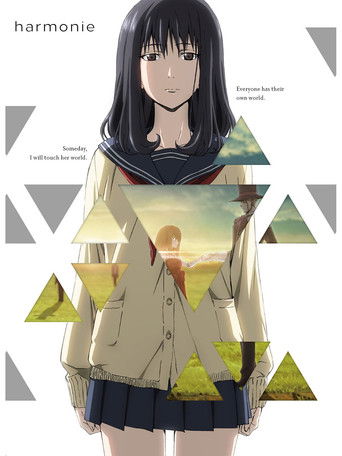
The 2000s and 2010s brought a new generation of directors who first made their names with short films. Yasuhiro Yoshiura made Kikumana and Aquatic Language, a quiet film about a café where a waitress's chat changes the evening for her customers, before his series and features, and later Harmonie, about a boy who discovers the inner world of a classmate. Makoto Shinkai, the director of Your Name., made Someone's Gaze, a tender story of a father and daughter, and Cross Road, about two students preparing for their exams in different corners of Japan. Mamoru Hosoda's Superflat Monogram was made with the artist Takashi Murakami for a fashion house.
Studio Colorido made its name with short films: Hiroyasu Ishida's Rain in the Sunshine and Paulette's Chair, and Yojiro Arai's Wonder Garden and Typhoon Noruda, an adventure about students trapped at their school on a tropical island as a strange typhoon approaches. Naoko Yamada's Garden of Remembrance, from 2022, follows a young woman through a lazy morning and into a garden of memories, and Kyoto Animation's mascot stars in Baja's Studio and Baja's Studio: Baja and the Sea. Sol Levante, made by Production I.G in 2020, was the first anime made in 4K HDR, a four-minute fantasy about a young warrior and her familiar.
Stop-motion and puppets
Japan's stop-motion studios make some of the most loved films for children. Tsuneo Goda's Komaneko, Home Alone follows Koma, a little cat who makes films with her toys, on a stormy day alone at home, and Takeshi Yashiro's films Norman the Snowman: The Northern Lights, Norman the Snowman: On a Night of Shooting Stars and Moon of a Sleepless Night are gentle, beautifully crafted adventures. Yashiro's Gon, the Little Fox, from 2019, adapts Niimi Nankichi's famous story of a mischievous fox who tries to make amends to a young man, and Pukkulapottas and Hours in the Forest imagines a magical creature found during the quiet months of 2020. Masashi Kawamura's The Diary of Ochibi follows a little girl through the seasons, and Daisuke Sato's Howl from Beyond the Fog is a puppet film about a boy, a blind woman and a giant monster in Meiji-era Kyushu.
Folk tales and literature
Japanese folk tales run through the whole catalogue. Beside the pioneers' versions of Momotaro, Urashima Taro, the monkey and the crab and the man with the lump, you will find The Black Woodcutter and the White Woodcutter, Kappa Kawatarou and the postwar fables of Toei. Kenji Miyazawa, the poet of Iwate, inspired The Restaurant of Many Orders, The Night of Taneyamagahara and Matasaburou of the Wind, about a mysterious boy who arrives at a country school with the autumn wind. Niimi Nankichi's Gon, the Little Fox is taught in every Japanese school.
Modern writers appear too. The Portrait Studio, by Takashi Nakamura, follows a photographer in the late nineteenth century who tries to coax a smile from a serious little girl, and Grandfather's Lamp, also from a Niimi Nankichi story, tells of a boy whose grandfather once sold oil lamps as Japan modernised. The Folk tales guide and the Folk tales and fables shelf gather them all.
The Pikachu shorts
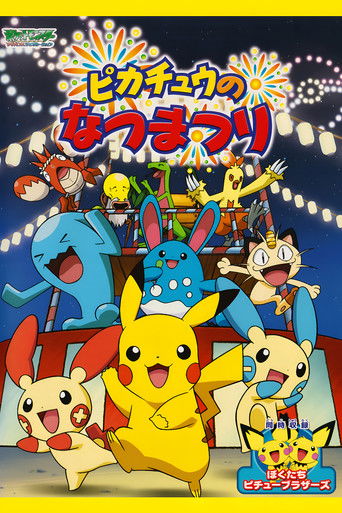
From 1999, every Pokémon film in Japanese cinemas opened with a short starring Pikachu and his Pokémon friends, with a cast made up entirely of Pokémon. These cheerful films, directed by Kunihiko Yuyama, became a tradition for young fans and their families. Pichu & Pikachu's Winter Vacation 2001 sends the friends into a snowy town where a snowball game goes wrong, Pikachu's Summer Festival sets up a festival of balloons, masks and ice cream, and Pikachu's Ghost Carnival visits a spooky house full of friendly surprises.
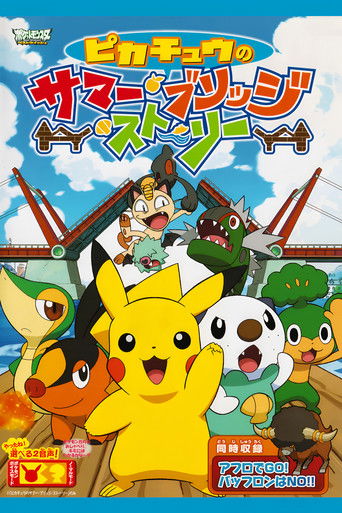
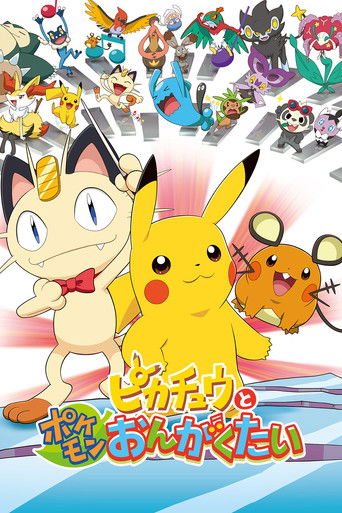
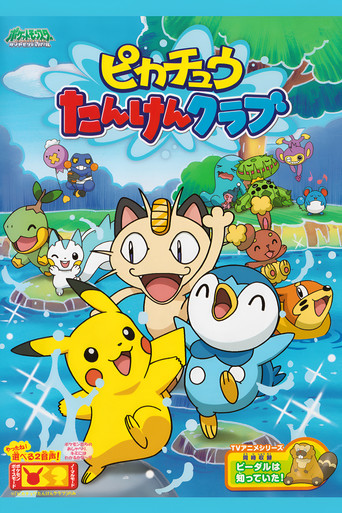
Later shorts include Pikachu's Exploration Club, Pikachu's Ice Adventure, Pikachu's Sparkle Search!, Pikachu's Big Mysterious Adventure and Pikachu's Summer Bridge Story, each with a new generation of Pokémon. Meloetta's Moonlight Serenade and Sing Meloetta: Search for the Rinka Berries follow the singing Pokémon Meloetta, Pokémon: Eevee & Friends throws a party for Eevee and all its evolutions, and Pokémon: Pikachu, What's This Key? opens a magic portal. Slowking's Day and Pichu Bros. in Party Panic are short extras. The Pikachu guide lists them in order.
More films for families
Families will find many more short films to share. The Sanrio shorts Pochacco: Exciting Birthday, Pochacco: The Excitement at the Carrot Patch and Pekkle: Find the Secret Treasure! star the company's friendly puppy and duck, Hello Kitty's Paradise follows Hello Kitty and her sister Mimmy, and Cinnamon the Movie, directed by Gisaburō Sugii, sends the flying puppy Cinnamoroll on an adventure with his friends. The Dr. Slump specials Dr. Slump and Arale-chan: N-cha! From Penguin Village with Love, Dr. Slump and Arale-chan: N-cha! Clear Skies Over Penguin Village, Dr. Slump and Arale-chan: Hoyoyo!! Follow the Rescued Shark... and Dr. Slump and Arale-chan: N-cha!! Excited Heart of Summer Vacation bring Akira Toriyama's robot girl Arale back for comic adventures.
Kitty-Cat Fantasia follows a black cat who wants to help her family, The Prince and the Coral Sea follows a boy who protects the forests and reefs of Okinawa, The Big First-Grader and the Small Second-Grader tells of a shy big boy and the tiny girl who walks him to school, Traveling 'Daru' follows a plush toy on a journey to find its owner, and Paroru's Future Island visits an island of strange animals. Kumi and Tulip, made by Makoto Tezuka, follows a little girl and a robot in a city of metal towers.
Science fiction and fantasy
Short films have always been a playground for science fiction. Jun Awazu's Negadon: The Monster from Mars, made almost single-handed on a home computer, is a loving tribute to the giant monster films of the 1960s. Junk Town follows a boy who befriends a hungry little robot, Coicent sends a boy of the year 2710 on a field trip to a rebuilt Nara, Cassette Girl fights for music in a city where robots have banned old media, while Kōji Morimoto's Open the Door and Shigeru Tamura's Glassy Ocean are dreamlike visions of other worlds.
Fantasy fills the catalogue as well. Hotori: Simply Wishing for Hope is a moving story about memory and identity, Elemi is a nostalgic love story from the years before mobile phones, told around a utility pole that lights the edge of a city, Pigtails follows a girl who lives alone in a house by the sea after the earth shook and the sea rose, and The Moon that Fell Into the Sea follows the Moon on its journey home from the bottom of the ocean. The Fantasy and Science fiction shelves gather them all.
Viewing routes
Short films are perfect for programmes. Here are a few routes through the catalogue, each about an hour long.
A hundred years in an hour. Start with The Dull Sword from 1917, then watch The Lump, The Black Cat, The Spider and the Tulip, The Scribbling Kitten, The Breaking of Branches Is Forbidden, Mount Head and La Maison en Petits Cubes. In about an hour you will see the whole history of Japanese short animation, from paper cut-outs to pencil drawings and puppets.
An afternoon at the Ghibli Museum. Line up The Whale Hunt, Koro's Big Day Out, Mon Mon the Water Spider, House Hunting, Mr. Dough and the Egg Princess and Boro the Caterpillar, and finish with Ghiblies: Episode 2 for a laugh.
The festival night. For lovers of art animation, watch Franz Kafka's a Country Doctor, The Great Rabbit, WONDER, Possessions, Combustible and Winter Days. These films have won prizes at Annecy, Berlin, Ottawa and the Oscars.
A family morning. For younger viewers, choose Pikachu's Summer Festival, Komaneko, Home Alone, Norman the Snowman: The Northern Lights, Pochacco: Exciting Birthday, Traveling 'Daru' and Gon, the Little Fox. The For families shelf has more than forty films.
Folk tales. Retell Japan's favourite stories with Momotaro, The Octopus' Bone, The Blossom Man, Monkey and Crabs, Ubasuteyama and Matasaburou of the Wind.
For young children
Many films on AnimeFLV suit young children, and their short running times make them easy to fit into a day. The gentlest are the Pikachu shorts, the Sanrio films, the Dr. Slump specials, Hello Kitty's Paradise, Cinnamon the Movie, The Diary of Ochibi and the Norman the Snowman films. The silent animal comedies of Yasuji Murata, with their skiing rabbits and busy toy trains, delight children seeing a black-and-white film for the first time.
For children from about six, try The Whale Hunt, Koro's Big Day Out, Mr. Dough and the Egg Princess, Kitty-Cat Fantasia, The Big First-Grader and the Small Second-Grader and Paroru's Future Island. The art films and the stories of memory and loss suit older children and grown-ups, and every film page shows its running time so you can plan the day.
The AnimeFLV guides
Fifteen short guides help you make the most of AnimeFLV. How to watch walks from a film's page to the official service, Finding a film shares search tips, and My List explains how to line up a programme of shorts for later.
The history guides open the catalogue in short routes. The pioneers of Japanese animation covers 1917 to 1945, the Ghibli shorts guide visits the Ghibli Museum, Japanese art animation introduces the auteurs and festival winners, the Folk tales guide gathers Momotaro and his friends, and the Pikachu guide lists the Pokémon shorts in order.
The practical guides cover the rest. Languages and subtitles explains silent films and Japanese voices, Apps and devices covers phones, tablets and televisions, and Where AnimeFLV films stream describes the services behind Watch now. Free Japanese animation points to the national film archive and festival streams, Streaming safely offers a short checklist, The official AnimeFLV site shows how to recognise the real address, and Is AnimeFLV working? gives quick fixes when a page is slow.
Silent films, music and Japanese voices
A large part of the AnimeFLV catalogue needs very little language at all. Most films made before the mid-1930s are silent, with titles written in Japanese and music added later, and in their own time they were often accompanied by a benshi, a live narrator who stood beside the screen and voiced every character. Today these films are usually shown with music and translated titles, and their simple stories are easy to follow for viewers of every age.
Many art shorts, too, tell their stories through images and sound alone: La Maison en Petits Cubes, The Spider and the Tulip, The Phantom Ship and WONDER can be enjoyed by anyone. Films with dialogue are in Japanese, and the services that carry them often add English, Spanish or other subtitles. Every film page shows the English title and the original one written in Latin letters, and search accepts both, so Namakura Gatana and The Dull Sword lead to the same film.
Techniques and craft
Japanese short animation has explored almost every technique. The pioneers drew on paper and moved cut-out figures by hand under the camera; Noburō Ōfuji cut his characters from decorated chiyogami paper and later shone light through coloured cellophane; Kenzō Masaoka brought transparent cels to Japanese studios. Kihachirō Kawamoto and the stop-motion studios built puppets with tiny joints and painted faces, and today's artists use pencil, paint on glass, sand, clay, paper and computers, often in the same film.
Many independent animators still work almost alone, drawing thousands of images by hand. Kōji Yamamura draws with coloured pencils on paper, Kunio Katō drew La Maison en Petits Cubes with soft pencil and colour washes, and Mirai Mizue drew a new image every day for a year to make WONDER. Each film page names the director and the studio, so you can follow a technique or an artist from one film to the next.
Festivals and prizes
Japanese short films have won the highest prizes in animation. La Maison en Petits Cubes won the Oscar and the Cristal at Annecy, Mount Head took the Grand Prix at Annecy and an Oscar nomination, The Great Rabbit won the Silver Bear at Berlin, and Possessions was nominated for the Oscar. At home, the Hiroshima International Animation Festival, founded in 1985 with the support of artists such as Osamu Tezuka, welcomed animators from around the world for more than thirty years, and the New Chitose Airport festival and the Japan Media Arts Festival have given young directors a stage. Tokyo's art universities, such as Tama Art University and Tokyo University of the Arts, have become nurseries of new talent, and many of the films on the Since 2000 shelf began as graduation projects before travelling to festivals around the world.
The national film archive has also restored many of the earliest Japanese animated films and shared them online, so that the work of the pioneers can be seen again a century after it was made. The Top rated shelf shows the films viewers admire most.
The shelves
The catalogue is arranged on fourteen shelves, and every film sits on several. Directory holds everything, with sorting by popularity, rating or year. The era shelves, The pioneers, 1946 to 1999 and Since 2000, follow the history of Japanese short animation decade by decade.
The theme shelves follow your mood: Ghibli shorts, Art films, Folk tales and fables, Pikachu shorts, For families, Fantasy, Comedy and Science fiction. The Under ten minutes shelf is perfect when you have only a moment, with more than ninety films that fit inside a coffee break.
Because the shelves overlap, a film such as The Whale Hunt appears under Ghibli shorts, For families and Since 2000, so whichever door you open, you will find it. Over time the shelves become a map of a hundred years of Japanese animation, and every visit can reveal an artist or a technique you have yet to meet.
Watching short films well
Short films reward a slightly different way of watching. Because each one is brief, it is worth watching twice: the first time for the story, the second time for the details, the way a background moves, the rhythm of the music, the small jokes hidden in a corner of the frame. Many of the films on AnimeFLV were made to be seen on a big screen in a dark room, so turn down the lights, turn up the sound and give each film your full attention for its few minutes.
It also helps to watch films in conversation with one another. Put an early folk tale beside a modern one, a silent comedy beside a Pikachu short, or a Ghibli Museum film beside an art film by Kōji Yamamura, and you will see how ideas and techniques travel across the decades. My List makes it easy to build these small programmes and return to them whenever you like, on any device you choose.
How the catalogue is chosen
Every film on AnimeFLV is chosen by hand. The catalogue focuses on Japanese short films and art animation, from the first surviving films of 1917 to the festival winners and studio shorts of today. Each entry is checked for its story, its maker and its audience; the catalogue is family-friendly at heart, and art films for older viewers are clearly described on their pages. Wartime propaganda shorts and films made for adults only are left to specialist archives.
Facts on every page, such as release dates, running times, directors and studios, come from public film databases, and the Watch now button uses JustWatch to show the official services in your country. When a restored classic appears online, or a new short wins a festival prize, it joins the right shelves with a full page of facts, and older pages are reviewed so their posters and services stay up to date.
The catalogue also tries to keep a balance between famous names and hidden treasures. Beside Miyazaki, Katō and Yamamura, each shelf makes room for the pioneers whose names are less known today, for students whose first films won prizes, and for the small stop-motion studios whose patient work delights children every year.
A hundred years of small wonders
From a samurai and his blunt sword in 1917 to a caterpillar opening its eyes in 2018, Japanese short animation has been a century of small wonders. AnimeFLV brings these films together in one place, with clear pages, helpful guides and a path to the official services. Open a shelf, pick a poster and press Watch now: a singing spider, a whale made of building blocks or an old man diving through the floors of his house is waiting for you.
Questions
What is AnimeFLV?
AnimeFLV is a free guide to Japanese short films and art animation, with a hand-picked catalogue of 199 films from 1917 to today and a Watch now button that leads to official services.
Is AnimeFLV free?
Yes. Browsing, searching and My List are free, and Watch now shows free services with adverts as well as subscriptions, rentals and purchases.
Where do the films stream?
Watch now uses JustWatch to list the official services in your country, from art-house platforms to the large streaming services, and the national film archive of Japan shares many early films online.
Which film should I watch first?
Start with La Maison en Petits Cubes, Mon Mon the Water Spider or The Spider and the Tulip, all short and all wonderful.
Are the films in Japanese?
Films with dialogue are in Japanese, often with subtitles on the official services. Many early films are silent and many art films use images and music alone.
Can I search with Japanese titles?
Yes. Search accepts English titles and Japanese titles in Latin letters, so Namakura Gatana and The Dull Sword both work.
How does My List work?
Press Add to My List on any film page. The list stays in your browser and can be exported to another device.
Which films suit young children?
The Pikachu shorts, the Sanrio films, Koro's Big Day Out and the Norman the Snowman films are gentle favourites.
Does AnimeFLV work on a phone or TV?
AnimeFLV works in any current browser. On a television, press Watch now and open the chosen service's own app.
How often is the catalogue updated?
Restored classics and new festival shorts join the shelves regularly, and sorting the Directory by year shows the newest films first.